
The auto repair industry has experienced profound change over the past ten years, driven by rapid technological innovation, new consumer behaviors, and major shifts in how vehicles are built and maintained. Cars and trucks have become far more sophisticated, integrating advanced electronics, safety features, and onboard computers that influence nearly every function. This evolution has forced repair professionals to adapt, learn new systems, and invest in higher-end tools to keep pace with modern demands. What used to be a straightforward mechanical process has become a hybrid of hands-on work, digital analysis, and intricate diagnostics.
At the same time, customer expectations have changed just as dramatically. People today want fast, accurate information about what is wrong with their vehicle, why it happened, and how long repairs will take. They compare shops online, read reviews, and rely on digital estimates before deciding where to go. This transparency has reshaped the relationship between motorists and repair shops, encouraging clearer communication, better documentation, and more proactive service models. The past decade has been one of continual adjustment, requiring the industry to stay agile and forward-thinking as new technologies and customer preferences emerge.
Technological Advancements in Modern Auto Repair
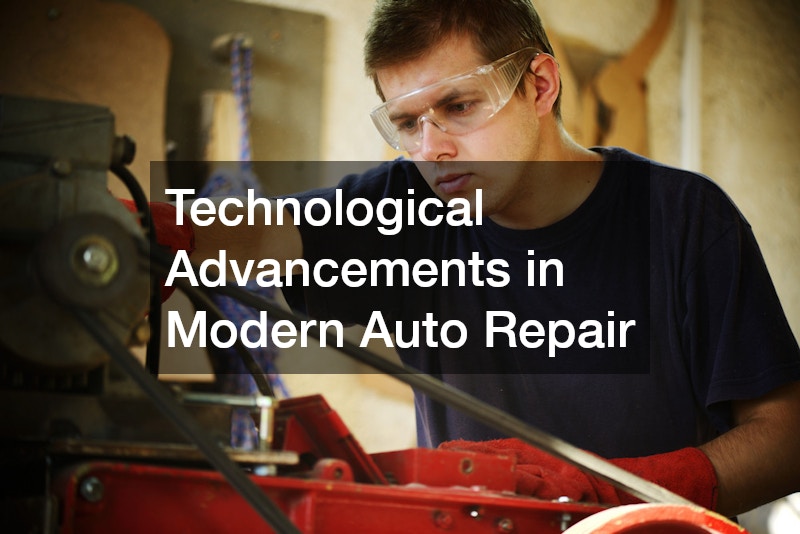
Over the past decade, technology has become the backbone of nearly every automotive repair procedure. Modern vehicles contain dozens of sensors, electronic modules, and computer-based systems that work together to manage performance, safety, and efficiency. Because these components are interconnected, diagnosing issues now requires tools that can communicate directly with the vehicle. Technicians rely on advanced scan devices, digital service records, and cloud-based software platforms to understand the root cause of problems before turning a wrench. This shift has significantly reduced trial-and-error diagnostics, made repairs more predictable, and raised the standard of accuracy across the industry.
The impact of these technologies is especially noticeable in services like auto brake repairs. What once involved manually inspecting pads and rotors now often requires checking electronic brake sensors, evaluating ABS performance, and recalibrating components that work in sync with driver-assist features. Vehicles equipped with autonomous emergency braking or stability control demand an even higher level of precision. As a result, technicians must not only know how to perform the physical repair but also how to update or reset the vehicle’s electronic systems afterward. This blend of mechanical and technical knowledge illustrates just how far the industry has come in a relatively short period of time.
The Rise of Diagnostic Software and Data Tools
The rise of diagnostic software has arguably been the most transformative development in the auto repair industry. Decades ago, technicians relied heavily on visual inspection and mechanical intuition. Today, sophisticated software can pull detailed fault codes, analyze sensor outputs, and highlight patterns that would have been nearly impossible to detect manually. These tools allow shops to identify problems in minutes rather than hours, saving time for both technicians and customers. Access to real-time data has also enabled shops to spot emerging issues before they lead to costly failures, ultimately improving safety and reducing long-term repair expenses for vehicle owners.
This innovation has become indispensable in areas such as auto transmission repair. Modern transmissions are highly advanced, relying on electronic control modules, adaptive shifting algorithms, and complex fluid pressure systems. Even small irregularities can cause significant performance issues, making accurate diagnostics essential. Software platforms provide technicians with detailed insights into shift timing, clutch behavior, and internal pressures, allowing them to pinpoint malfunctions with greater precision than ever before. These tools have elevated the quality of transmission repair work, reduced unnecessary component replacements, and made shops more efficient overall. Through the integration of data and hands-on expertise, diagnostic software has helped reshape the industry into one that is smarter, faster, and far more capable of handling the challenges of modern vehicles.
Changing Vehicle Designs and Repair Complexity

Vehicle design has evolved at an unprecedented pace over the past decade, creating both opportunities and challenges for repair professionals. Automakers have shifted toward lighter materials, advanced safety systems, and highly integrated electronic components that make vehicles more efficient and responsive. These innovations have improved performance and fuel economy, but they have also made repairs more intricate. Technicians must understand how individual systems communicate with each other and how one malfunction can affect multiple areas of the vehicle. This growing complexity requires continual training and an in-depth understanding of the architecture behind modern cars and trucks.
For many shops, adapting to these changes has meant updating equipment, expanding skill sets, and learning to diagnose issues that may have no visible symptoms. A task that once required only basic mechanical knowledge now involves decoding electrical diagrams, calibrating sensors, and using manufacturer-specific software. Even routine work within an auto repair shop must be approached with careful precision to avoid disrupting interconnected systems. This shift has raised professional standards across the industry and reinforced the importance of ongoing education as vehicles continue to evolve.
Growth of Electric and Hybrid Vehicle Services
The past decade has also seen remarkable growth in electric and hybrid vehicle ownership, reshaping the types of services repair shops must be ready to handle. These vehicles rely on high-voltage battery systems, regenerative braking, and sophisticated power management components that differ significantly from traditional internal combustion engines. As more consumers adopt eco-friendly transportation, the need for technicians trained in alternative powertrains has expanded rapidly. Shops are investing in specialized tools, insulated equipment, and safety training to service these vehicles safely and effectively.
Electric and hybrid vehicles have also introduced new expectations for maintenance schedules and repair procedures. Issues that once stemmed from mechanical wear now often relate to software, charging behavior, or electrical system performance. As these vehicles become more common in local auto repairs, shops must be prepared to diagnose battery health, address power delivery irregularities, and work with components that require precise handling. This shift reflects a broader industry trend: the move toward cleaner, more efficient technology that demands new forms of expertise and long-term adaptability.
Shifts in Consumer Expectations and Transparency

Customer expectations have transformed dramatically over the last ten years, largely due to increased access to information and the rise of digital communication tools. Today’s customers value clarity, convenience, and honesty more than ever, expecting detailed explanations before approving any repair. Many people research symptoms online, compare service prices, and rely on digital reviews before choosing a shop. This heightened transparency has pushed repair businesses to improve customer communication, offer clearer estimates, and provide updates throughout the repair process.
This trend is especially impactful in specialized areas such as diesel truck repair services, where customers want to understand the cause of performance issues and the reasoning behind recommended repairs. Clear explanations help build trust and reduce confusion, especially when dealing with costly or complex repairs. Shops that embrace transparency by sharing diagnostic results, outlining repair steps, and offering digital documentation tend to earn stronger customer loyalty. As a result, the shift in consumer expectations has helped create a more communicative, accountable, and customer-oriented auto repair industry.
Workforce Training and Certification Developments
As vehicles have grown more advanced, the auto repair workforce has experienced a major shift in training expectations and professional development. Technicians today must understand not only mechanical systems, but also software-driven components, electrical diagnostics, and the increasingly digital nature of modern vehicles. This has led to a rise in certification programs, ongoing education requirements, and specialized training paths that help professionals stay current with rapid industry changes. Many technicians now pursue advanced credentials to keep up with evolving standards and to demonstrate their ability to work on the latest vehicle platforms.
These developments have also shaped how shops handle services such as auto body services, where new materials and safety technologies require updated repair techniques. Modern vehicles incorporate aluminum panels, structural adhesives, radar sensors, and cameras that must be recalibrated after repairs. Technicians trained in these areas provide safer and more accurate results, reducing the risk of post-repair issues. The increasing importance of education and certification reflects a broader trend: technicians must evolve alongside vehicles, making lifelong learning a core part of the profession.
The Impact of Automation on Repair Processes

Automation has influenced nearly every aspect of the auto repair process over the past decade, improving efficiency and reducing the margin for error. Shops now use automated diagnostic systems, digital inspection tools, and workflow software that help streamline operations and ensure consistency. These tools allow technicians to spend more time on hands-on repairs and less time on manual data collection or repetitive tasks. Automation has also helped reduce delays by organizing repair orders, tracking parts inventory, and simplifying customer communication through digital platforms.
In practical terms, these advancements have enhanced the precision of services like those offered by a local truck painting service. Automated color-matching systems, for example, can analyze a vehicle’s finish and generate an exact formula, eliminating guesswork and producing cleaner, more professional results. Spray equipment with digital controls helps ensure even coverage and consistent quality. As automation becomes more integrated into daily operations, shops are able to offer faster turnaround times and more reliable outcomes, ultimately improving customer satisfaction and operational efficiency.
Increased Focus on Sustainability and Emissions
Environmental awareness has become a driving force within the auto repair industry, leading to new standards and practices aimed at reducing pollution and waste. Over the past decade, stricter emissions regulations, rising fuel efficiency expectations, and consumer interest in greener solutions have encouraged shops to adopt more sustainable approaches. This includes recycling fluids, using environmentally friendly materials, and complying with updated guidelines for safe waste disposal. Many shops also perform emissions-related diagnostics to help drivers maintain cleaner, more efficient vehicles.
Sustainability trends have also affected services connected to a towing service, as eco-conscious drivers seek shops that prioritize responsible practices throughout the repair process. Hybrid and electric vehicle towing requires additional considerations, including safe handling of battery systems and awareness of specialized loading procedures. Shops that embrace green practices position themselves as forward-thinking and environmentally responsible, appealing to customers who value sustainability. This shift marks an important step in aligning the industry with broader environmental goals and future regulatory changes.
Evolving Business Models in Auto Repair Shops
The auto repair industry has seen a noticeable shift in business models over the past decade, largely influenced by new technology, rising customer expectations, and increasing competition. Many shops have expanded their services beyond basic repairs, offering digital scheduling, mobile diagnostics, extended warranties, and subscription-based maintenance plans. These additions help customers feel more supported throughout the lifespan of their vehicle and create recurring revenue streams for repair businesses. Shops have also adopted more transparent pricing structures and digital inspection reports to improve communication and trust.
These evolving business models have influenced specialized services connected to a local tow truck service, which many repair shops now integrate into their offerings. Rather than relying on outside towing companies, some shops provide their own towing solutions to streamline the customer experience from breakdown to repair. By controlling more of the service chain, these shops can improve turnaround times, reduce customer stress, and create a more cohesive service process. This shift reflects a broader trend in the industry: the push to offer convenience, reliability, and efficiency at every stage of the automotive repair journey.
Regulatory Changes Affecting the Auto Repair Industry
Regulatory updates have played a major role in shaping the auto repair landscape over the past ten years. Governments at both state and federal levels have enacted new standards related to emissions, safety systems, parts sourcing, and technician certification. These rules aim to protect consumers, reduce environmental impact, and keep pace with rapid advancements in vehicle technology. For repair shops, compliance often means investing in better equipment, updating software, and ensuring technicians are fully trained on regulated procedures. While these changes can be costly, they ultimately contribute to higher-quality repairs and safer vehicles on the road.
One area where regulation has had a significant effect is in fleet maintenance services, which must meet strict requirements to ensure commercial vehicles remain safe and operational. Businesses that manage fleets depend on repair shops to adhere to inspection guidelines, maintain accurate records, and complete repairs that meet regulatory standards. These expectations elevate the importance of consistency and accountability in the repair process. As regulations continue to evolve alongside new vehicle technologies, shops must remain adaptable and well-informed to stay compliant and competitive.
The auto repair industry has transformed dramatically over the past decade, shaped by advances in technology, evolving customer expectations, regulatory developments, and changes in vehicle design. What was once a profession grounded primarily in mechanical skill has expanded into a complex blend of digital diagnostics, electrical expertise, and continuous learning. Repair shops have adapted by upgrading equipment, investing in training, and expanding their service offerings to meet the demands of increasingly sophisticated vehicles and increasingly informed customers. These shifts have improved the accuracy, efficiency, and reliability of modern repair processes.
At the same time, the industry has become more transparent and customer-focused, with digital tools enabling clearer communication and more predictable service experiences. Environmental concerns, the rise of electric and hybrid vehicles, and new business models have further contributed to the ongoing evolution of repair practices. As the next decade unfolds, the auto repair industry will continue innovating in response to emerging technologies and industry-wide expectations. Shops that embrace these changes will remain competitive, capable, and well-positioned to support the needs of drivers in a rapidly modernizing automotive world.