Owning a vehicle is one of the most significant investments the average person makes. Beyond the initial purchase price, maintaining a car, truck, or SUV requires an ongoing commitment to mechanical maintenance, physical protection, and legal awareness. While many drivers treat car ownership as a purely transactional experience—fueling up when the tank is low and visiting a garage only when something breaks—a proactive approach yields dramatically better results. Proper care extends your vehicle’s lifespan, preserves its resale value, protects your physical safety on the road, and safeguards your financial well-being when unexpected incidents occur.
To navigate the complexities of modern car ownership successfully, drivers must manage three main areas: keeping the mechanical systems reliable, protecting the interior and exterior from wear, and preparing for unexpected emergencies or collisions.
The Foundations of Preventive Mechanical Care
The key to long-term reliability is consistent preventative maintenance. Modern automobiles are intricate machines with thousands of moving parts operating under extreme heat and pressure. Allowing fluids to degrade or ignoring minor wear inevitably leads to cascading mechanical failures. Establishing a structured schedule based on your manufacturer’s recommendations is the single most effective action you can take to prevent unexpected breakdowns.
Building a Baseline Maintenance Schedule That Prevents Costly Failures
Every vehicle comes with a factory-recommended maintenance schedule, but rigid adherence to standard intervals isn’t always enough. Driving conditions play a massive role in how quickly components wear down. Frequent short trips, heavy stop-and-go traffic, extreme hot or cold temperatures, and towing all fall under severe driving conditions, which require shorter service intervals.
To build an effective upkeep routine that protects your investment:
- Track fluid lifespans systematically rather than relying solely on mileage. Engine oil, transmission fluid, coolant, and brake fluid all lose their protective properties over time due to thermal breakdown and moisture absorption.
- Inspect air filters and cabin filters every six months. Clogged engine filters restrict airflow and reduce fuel efficiency, while dirty cabin filters compromise interior air quality and strain the heating and cooling system.
- Monitor tire pressure and tread depth monthly. Uneven tire wear often signals alignment issues or worn suspension components that need immediate attention before they cause further damage.
- Keep a detailed log of every auto maintenance task performed, including dates, mileage, and parts replaced. A complete record builds confidence for future buyers and helps technicians diagnose issues faster.
How to Evaluate and Choose a Trustworthy Service Shop
Even hands-on vehicle owners eventually encounter repairs that require specialized diagnostic tools or professional expertise. Finding a qualified repair facility before an emergency strikes ensures that your vehicle receives proper care without unnecessary markup or poor workmanship.
When evaluating potential service centers, look for shops that employ technicians certified by the National Institute for Automotive Service Excellence (ASE). These certifications demonstrate that the mechanics have verified experience and technical knowledge across specific systems like brakes, electrical networks, and engine performance. Additionally, ask about warranty terms on both parts and labor; reputable facilities stand behind their work with clear, written guarantees. Establishing a relationship with a high-quality auto repair service gives you peace of mind knowing that certified professionals are handling your vehicle’s critical components using proper diagnostic equipment.
Managing Major System Failures and Heavy-Duty Powertrains
Even with meticulous care, mechanical components eventually experience wear and require replacement. Recognizing the early signs of component failure allows you to address problems while they are still small and manageable, preventing total system breakdowns on the highway.
Identifying Early Warning Signs Before Small Faults Cause Breakdown
Vehicles rarely fail without warning. Modern onboard computers and mechanical indicators provide clear signals when something goes wrong. Learning to interpret these signals saves time, money, and frustration.
Pay close attention to these critical warning indicators:
- Unusual noises under the hood or chassis. Squealing during braking indicates worn pads, while deep grinding noises point to bare metal contact against rotors. Whining or clunking during gear shifts suggests internal transmission or differential stress.
- Changes in pedal feel or steering response. A spongy brake pedal usually indicates air or moisture in the hydraulic lines, while steering wheel vibrations at highway speeds point to out-of-balance wheels or failing suspension bushings.
- Fluid leaks on your driveway or garage floor. Bright green or pink fluid points to a cooling system leak, dark brown or black fluid indicates engine oil, and red or amber fluid suggests a transmission or power steering leak.
- Illuminating dashboard lights. Never ignore a check engine light or oil pressure warning. Prompt diagnostic scans prevent minor sensor glitches from turning into catastrophic engine damage that requires extensive auto repairs to resolve.
Specific Protocols for High-Load and Heavy-Duty Engine Upkeep
Heavy-duty trucks engineered for towing, hauling, and commercial work operate under much higher combustion pressures and thermal stresses than standard passenger cars. Their powertrains feature specialized fuel delivery systems, turbochargers, and complex emissions equipment that demand specialized knowledge.
Maintaining these powertrains requires specific protocols:
- Manage fuel purity carefully. High-pressure common-rail fuel injection systems operate at pressures exceeding 30,000 PSI. Water or dirt contamination in the fuel supply can destroy expensive fuel injectors and high-pressure pumps rapidly. Drain the fuel-water separator regularly and replace fuel filters strictly on schedule.
- Allow proper turbocharger cooldown. After pulling heavy loads or driving at highway speeds, allow the engine to idle for two to three minutes before shutting it off. This keeps oil circulating through the hot turbocharger center housing, preventing oil coking and shaft seizure.
- Monitor the Diesel Particulate Filter (DPF) and Diesel Exhaust Fluid (DEF) systems. Frequent short trips prevent the exhaust system from reaching the high temperatures needed to burn off accumulated soot, leading to filter clogging and forced engine derating. Partnering with a garage skilled in specialized diesel truck repair ensures these complex systems remain operational and compliant with emission standards.
Preserving Paint Finish and Body Integrity
A vehicle’s exterior finish is its first line of defense against the elements. UV radiation, road salt, bird droppings, tree sap, and acid rain constantly attack clear coat paint, leading to oxidation, fading, and eventual rust formation.
Applying Advanced Surface Protection Against Weather and Micro-Scratches
Traditional carnauba waxes offer short-term shine, but they break down quickly under heat and weather exposure. Modern chemical technology provides far superior solutions for long-term paint preservation.
To maximize clear coat durability and maintain a pristine finish:
- Perform deep surface decontamination before applying any protective sealant. Wash the vehicle thoroughly using a pH-neutral soap, then use a clay bar to remove embedded industrial fallout, rail dust, and tar particles that washing leaves behind.
- Complete paint correction steps if micro-scratches or swirl marks are present. Machine polishing levels the clear coat, removing light defects and restoring maximum depth and clarity to the paintwork.
- Apply a professional-grade ceramic coating to create a semi-permanent chemical bond with the factory paint. This hydrophobic layer repels water, mud, and road grime while providing strong resistance against UV rays, chemical stains, and light scratching.
- Wash the vehicle using the two-bucket method with microfiber wash mitts. This technique minimizes the risk of trapping dirt against the paint and dragging it across the surface, which is the primary cause of swirl marks.
Personalizing Aesthetics While Maintaining Vehicle Equity and Safety
Many owners enjoy modifying their vehicles to stand out or adapt them for specific lifestyles. Whether upgrading wheels, installing aftermarket lighting, or altering the suspension, modifications should always balance visual appeal with safety, performance, and long-term value.
When planning upgrades, consider how modifications affect factory warranties and vehicle dynamics. Oversized wheels can alter speedometer accuracy and strain suspension components, while low-quality electrical accessories can cause short circuits in the primary wiring harness. Always opt for high-quality, vehicle-specific components installed by experienced technicians who specialize in tasteful auto customization.
Enhancing Cabin Comfort, Visibility, and Structural Safety
Automotive glass does far more than keep the wind out of your face; it provides vital structural integrity to the passenger cabin and protects occupants from harmful solar radiation.
Selecting the Right Window Films for UV Defense and Glare Reduction
Sunlight entering through automotive glass generates excessive interior heat and exposes occupants to harmful ultraviolet radiation. High interior temperatures degrade dashboard materials, crack leather seating, and force the air conditioning system to work harder, reducing fuel economy.
Installing professional window film provides significant protective benefits:
- Block up to 99% of harmful UV rays, protecting cabin upholstery from fading and shielding skin from solar damage during long drives.
- Reject infrared heat using advanced ceramic film technology. Ceramic films block thermal heat transfer without relying on extremely dark tints, maintaining excellent nighttime visibility while keeping the cabin noticeably cooler.
- Reduce blinding sun glare and headlight glare from trailing vehicles, significantly lowering driver eye fatigue during extended trips.
- Work with a certified window tint shop to ensure the film is applied without bubbles or peeling, and verify that the selected tint shade complies with local visual light transmittance laws for front, side, and rear glass.
Addressing Windshield Damage Before It Threatens Structural Safety
A small chip or crack in your windshield might seem like a minor cosmetic annoyance, but it compromises the overall structural safety of your vehicle. In a rollover accident, the windshield provides up to 45% of the cabin’s structural roof strength, preventing roof crush.
When dealing with glass damage, keep these critical factors in mind:
- Address small rock chips immediately. Temperature fluctuations, body flex, and road vibrations can cause a minor star break to expand across the glass in seconds, requiring a complete replacement.
- Seek professional auto glass repairs whenever damage is smaller than a credit card and located outside the driver’s direct line of sight.
- Ensure proper recalibration of Advanced Driver Assistance Systems (ADAS) if your vehicle requires a full windshield replacement.
Navigating Roadside Emergencies and Legal Protections
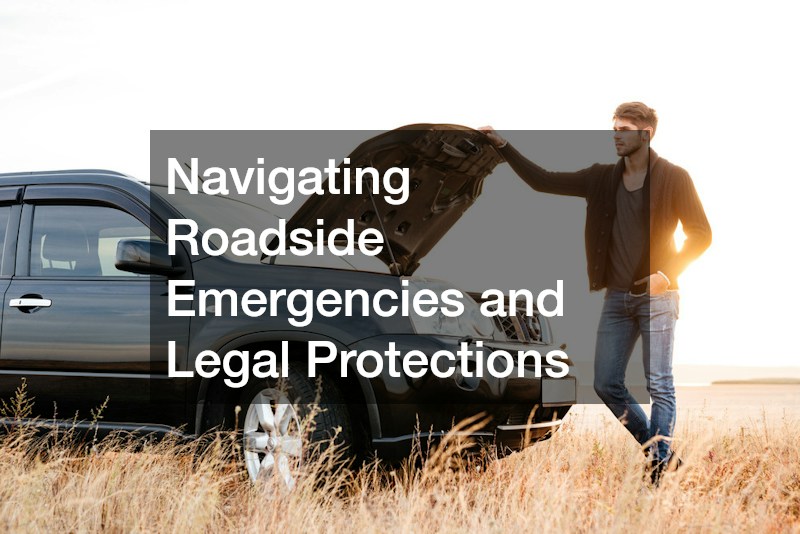
No matter how carefully you maintain and protect your vehicle, unexpected events happen. Mechanical breakdowns, flat tires, and collisions are inevitable risks of driving. Being prepared for emergencies and knowing how to navigate the aftermath of an accident protects both your physical safety and your financial interests.
Preparing an Emergency Breakdown Protocol and Vehicle Transport Strategy
Experiencing a breakdown on a busy highway is stressful and dangerous. Having a clear safety plan and the right equipment on board minimizes risks to you and your passengers.
Essential steps for managing a roadside breakdown include:
- Equip your vehicle with a comprehensive emergency kit that includes high-visibility vests, reflective triangles, a bright flashlight, a portable jump-starter pack, basic hand tools, first aid supplies, and non-perishable water.
- Pull as far off the active roadway as possible if your vehicle loses power. Turn on your hazard lights immediately to alert oncoming traffic, and stay inside the vehicle with your seatbelt fastened if you cannot safely step behind a guardrail.
- Save the contact details for a reliable towing service in your mobile phone before an emergency occurs. Knowing who to call speeds up response times and ensures your vehicle is transported on a flatbed trailer, preventing transmission or drivetrain damage during transport.
Protecting Your Legal Rights and Financial Recovery After an Incident
Collisions involve complex legal and insurance processes. The actions you take immediately following an accident significantly impact your ability to recover repair costs, medical expenses, and lost wages, particularly if the other driver was reckless or impaired.
Protect your legal and financial interests by following these steps:
- Prioritize safety and medical attention. Call emergency services immediately to report the collision and request medical support for anyone injured.
- Document the scene comprehensively. Take clear photos and videos of all vehicle positions, damage, skid marks, road conditions, traffic signals, and visible injuries.
- Avoid discussing fault at the scene. Stick strictly to facts when speaking with law enforcement officers, and do not make statements that could be interpreted as accepting blame.
- Consult an experienced drunk driving lawyer if you are struck by an intoxicated motorist. Alcohol-related crashes involve complex criminal and civil proceedings. Dedicated legal representation ensures crucial evidence is preserved to hold the negligent party accountable and secure full compensation for your damages.
Using This Auto Guide
Comprehensive vehicle ownership requires a balance of routine mechanical upkeep, proactive exterior preservation, and thorough emergency preparation. By committing to systematic maintenance schedules, protecting your vehicle’s physical surfaces with modern coatings and high-quality glass repairs, and preparing for unexpected roadside incidents, you can enjoy a safe, reliable, and rewarding driving experience for years to come.