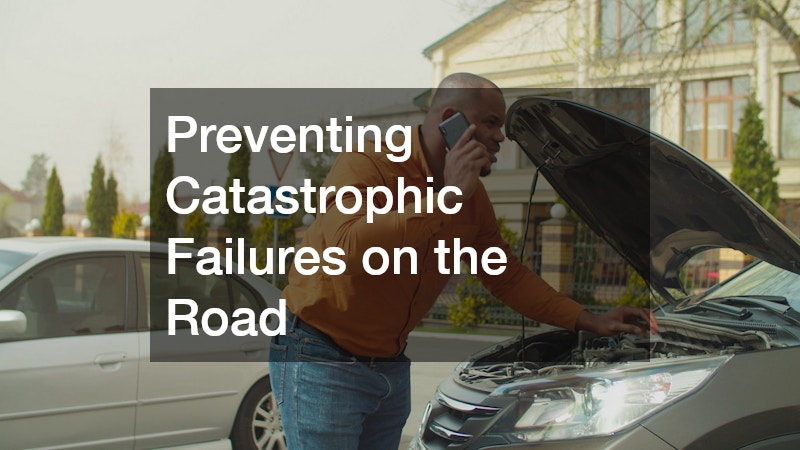
The difference between a minor logistical inconvenience and a full-blown safety crisis comes down to preparation, knowledge, and execution. Many drivers experience intense anxiety during a breakdown because they lack a structured protocol to follow. This comprehensive guide is designed to remove that uncertainty. By breaking down the anatomy of a roadside emergency into distinct, manageable phases, you will learn exactly how to protect your physical safety, diagnose mechanical failures under pressure, communicate effectively with emergency professionals, and protect your automotive investments. Whether you are navigating daily commuter traffic or exploring rugged backcountry trails, this manual will give you the confidence and practical tools required to handle any roadside emergency with absolute control.
1. Building a Foundation for Roadside Safety
True roadside preparedness begins long before you find yourself stranded on the shoulder of a dark highway. Many drivers assume that passing a standard licensing course or completing basic drivers ed equips them with all the skills necessary to handle a mechanical crisis. However, traditional driving instruction rarely covers the real-world physics of a high-speed tire blowout or the psychological discipline required to manage a failing engine in heavy traffic. True competence requires a proactive mindset focused on preventative safety and mechanical literacy. Understanding how your vehicle behaves when a system fails allows you to react intuitively rather than panicking, keeping you and your passengers safe.
In addition to mental preparation, physical preparation means maintaining a baseline level of vehicle health. Neglecting minor warnings or delaying routine upkeep is the primary catalyst for catastrophic roadside failures. When you treat routine maintenance as an optional chore, you increase the likelihood of a sudden breakdown that forces you into an emergency car repair situation on the side of a busy interstate. Developing a habit of checking your fluid levels, inspecting your belts for cracks, and monitoring your battery health will eliminate the vast majority of common breakdown causes, ensuring that your vehicle remains a reliable tool rather than a liability.
-
Check Fluid Levels Monthly: Low engine oil, coolant, or brake fluid can cause sudden catastrophic failures on the road.
-
Inspect Belts and Hoses: Look for fraying, cracks, or bulging in your engine bay, as a snapped belt will instantly disable your vehicle.
-
Monitor Battery Health: Most car batteries last between three and five years; look for corrosion around the terminals or a slow engine crank.
-
Maintain an Emergency Kit: Always carry a flashlight, jumper cables, a reflective vest, and a basic tool kit in your trunk.
2. Immediate Protocols for a Highway Breakdown
When a vehicle suffers a critical failure at highway speeds, your immediate reactions dictate your physical safety. The moments between realizing your vehicle is failing and bringing it to a complete stop are the most dangerous. Your primary objective is to move the vehicle out of the active lanes of traffic and onto a wide, stable shoulder. If your engine cuts out completely, you must leverage the remaining rolling momentum to guide the car safely across traffic lanes. Avoid slamming on the brakes, as this can cause a loss of control or result in a severe rear-end collision from drivers behind you who fail to realize your vehicle is losing power.
Once the vehicle is stopped on the shoulder, the focus shifts to maximizing visibility and signaling for assistance. The highway shoulder is a highly hazardous environment due to distracted drivers passing at high speeds. You must activate your hazard lights immediately to warn oncoming traffic. If it is safe to do so, exit the vehicle from the side away from traffic and place reflective triangles or flares behind your car to create a visual safety buffer. At this stage, securing reliable towing services should be your top priority. Reaching out to a trusted, professional provider ensures that your vehicle is moved to a safe location before a secondary accident can occur on the exposed roadway.
For most standard breakdowns, navigating the logistics of recovery requires clear communication with emergency dispatchers. When you call a local tow truck company, you need to provide your exact location, the nature of the mechanical failure, and any specific details about your vehicle’s drivetrain. Knowing whether your vehicle is front-wheel drive, rear-wheel drive, or all-wheel drive is crucial, as misidentifying this can lead to severe transmission damage during the hook-up and transport process. Remaining calm and articulate during this call accelerates response times and ensures the correct equipment arrives at your location.
-
Signal Early and Move Right: Use your turn signals to communicate your intentions to other drivers as you guide your failing vehicle to the right shoulder.
-
Maximize Visual Awareness: Keep your hazard lights flashing continuously and use your interior dome light if the breakdown occurs at night.
-
Deploy Roadside Warning Devices: Place your first reflective triangle 10 feet behind the vehicle, the second 100 feet behind, and the third 200 feet behind on a highway.
-
Stay Inside or Move Far Away: If you cannot safely exit to a barrier-protected area, stay buckled inside your vehicle rather than standing near the traffic side.
3. Special Considerations for Advanced and European Vehicles

Modern luxury vehicles and precision European imports feature advanced engineering that alters how you must handle a roadside emergency. These vehicles are built with highly complex electrical networks, sensitive computer modules, and specialized suspension components. Standard, generalized roadside troubleshooting techniques can inadvertently cause expensive collateral damage to these intricate systems. For example, jump-starting a high-end European sedan incorrectly can surge the electrical system and fry delicate control units, turning a simple dead battery into a multi-thousand-dollar electronic replacement nightmare.
Tire management also requires a distinct approach with these vehicles. Many high-performance cars omit a traditional spare tire in favor of run-flat technology or specific tire sealant kits. If you experience a sudden loss of tire pressure, driving on a run-flat tire is only a temporary solution limited by speed and distance. You must locate a qualified local tire shop equipped with the specialized mounting machines and balancing tools required for large-diameter, low-profile wheels. Attempting to force a generic or improperly sized spare onto these vehicles can disrupt wheel speed sensors, compromise braking efficiency, and damage the sophisticated all-wheel-drive systems.
Furthermore, mechanical diagnostics and component replacements on premium European powertrains cannot be handled by general roadside mechanics. If your diagnostic dashboard lights indicate a drivetrain or transmission fault, the vehicle should be transported exclusively to a facility that specializes in these brands. Utilizing certified audi repair services or equivalent brand specialists ensures that factory-grade diagnostic scanners are used to read proprietary fault codes. These specialists possess the precise technical training and access to original equipment manufacturer parts needed to accurately fix complex issues without invalidating your vehicle’s factory warranty.
-
Verify Spare Tire Equipment: Check your trunk regularly to know if you have a traditional spare, a space-saver donut, or an inflation kit.
-
Understand Wheel Lock Locations: Keep the specialized wheel lock key in an accessible spot, as technicians cannot remove your wheels without it.
-
Never Force an All-Wheel-Drive Tow: Ensure your luxury vehicle is transported via flatbed, as dragging the wheels can ruin the center differential.
-
Document Dashboard Error Codes: Take clear photos of any warning messages or check engine lights before turning off the ignition to assist your specialist.
4. Managing Off-Grid and Deep Terrain Emergencies

Experiencing a mechanical failure or getting physically stuck while off-roading presents a completely different set of logistical and physical hazards than a highway breakdown. Remote environments like muddy trails, sandy dunes, or rocky mountain passes often suffer from a complete lack of cellular reception, making traditional communication impossible. In these scenarios, you cannot simply dial for standard roadside assistance. You must rely heavily on your onboard recovery gear, your self-reliance skills, and specialized recovery professionals who are uniquely equipped to travel deep into challenging, unpaved terrain.
When a vehicle becomes deeply bogged down in mud, high-centered on boulders, or trapped in loose sand, attempting to spin the tires to break free will only worsen the situation. Spinning the wheels digs the vehicle deeper into the ground, generates extreme heat that can destroy the transmission, and risks damaging vital underbody components like oil pans or brake lines. Instead, you must assess the environment and call for professional off-road towing services that possess high-clearance, four-wheel-drive recovery rigs designed to navigate trails without becoming trapped themselves.
Extricating a vehicle from a remote ditch or deep ravine requires heavy-duty mechanical advantage and strict adherence to safety protocols. Specialized operators utilize industrial-grade towing and recovery equipment, including heavy winch lines, snatch blocks, tree savers, and rated shackles. Using unrated straps or hooking onto non-structural components like bumpers or steering linkages can result in catastrophic structural failure, turning metal pieces into lethal projectiles. Understanding the limits of recovery gear and respecting the immense tension placed on winch lines is critical to preventing severe injuries during a remote extraction.
-
Lower Tire Pressure for Traction: Dropping your tire pressure to 15-20 PSI can increase your tire footprint and help you crawl out of sand or mud.
-
Clear the Underbody Before Pulling: Use a shovel to remove dirt or rocks from beneath the chassis to reduce the resistance against the vehicle.
-
Establish a Winch Safety Perimeter: Ensure all bystanders stand at a distance greater than the length of the extended winch cable during a pull.
-
Carry an Offline Satellite Communicator: Invest in a GPS messenger device so you can send SOS signals and coordinates when cellular networks are unavailable.
5. Post-Emergency Recovery and Property Protection
The logistical challenges of a roadside emergency do not completely disappear once your primary vehicle has been safely recovered and returned to your home or garage. Often, a major automotive crisis serves as a reminder to inspect and maintain the other motorized assets in your household. Recreational vehicles, utility trailers, all-terrain vehicles, and landscaping tools often sit idle for long periods, making them highly susceptible to fuel degradation, dry-rotted seals, and sudden mechanical failures when put back into service. Taking the time to perform comprehensive maintenance on these items prevents future secondary emergencies.
If your off-road adventures or agricultural tasks involve smaller utility vehicles that have suffered mechanical issues, you must prioritize dedicated care for their powertrains. Relying on a professional shop that focuses on specialized small engine repair ensures that carburetors, fuel pumps, and ignition systems are properly cleaned and calibrated. Neglecting these smaller support vehicles leaves you vulnerable when you need them most, whether you are trying to clear a trail, manage a large piece of property, or haul recovery gear into remote areas during a primary vehicle crisis.
Additionally, bringing a damaged or leaking vehicle back onto your personal property introduces a set of environmental and structural hazards that must be managed immediately. Damaged vehicles frequently weep caustic fluids like engine oil, dark transmission fluid, acidic battery fluid, or corrosive brake fluid. If these fluids are allowed to puddle on asphalt driveways, they will chemically dissolve the binding agents within the pavement. This chemical degradation softens the surface, leading to ugly stains, deep pitting, pothole formation, and structural failures that require expensive residential paving repairs to correct.
-
Deploy Fluid Drip Pans Immediately: Place a heavy-duty plastic or metal tray beneath a compromised vehicle as soon as it is parked at your home.
-
Use Absorbent Materials on Spills: Apply cat litter, commercial oil absorbents, or baking soda to fresh oil spots to soak up fluids before they penetrate.
-
Avoid Harsh Chemical Pressure Washing: Do not use heavy solvents or high-pressure water directly on stained asphalt, as it can strip away the protective seal coat.
-
Store Backup Fuel Responsibly: Use rated containers and fuel stabilizers for your small engine equipment to prevent varnish buildup in fuel lines.
Successfully navigating a roadside emergency requires a balanced combination of proactive education, sharp situational awareness, and an understanding of specialized automotive services. A breakdown is always a stressful event, but it does not have to result in injury or permanent damage to your vehicle. By implementing the safety protocols outlined in this guide, you transform yourself from a passive motorist into an active, prepared driver capable of managing a crisis with absolute confidence.
Ultimately, your long-term safety on the road depends entirely on your commitment to regular vehicle maintenance and your willingness to rely on certified professionals when an issue exceeds your personal technical skill. Take the time today to audit your trunk emergency kit, verify your insurance coverage, and research trusted repair specialists in your area. Being prepared ensures that when the unexpected happens, you are fully equipped to protect your passengers, preserve your property, and get back on the road safely.