
- Minor car issues like low fluids, worn wiper blades, and tire pressure can often be diagnosed and fixed at home.
- Complex problems involving the engine, transmission, or electrical systems should be handled by professional mechanics.
- Recognizing car problem signs early—such as warning lights, unusual noises, or fluid leaks—prevents costly repairs and breakdowns.
- DIY diagnostics save money and build confidence, but carry risks if done beyond your skill level.
- Professional diagnostics provide accurate results, specialized tools, and long-term safety, though they come with higher upfront costs.
- Knowing your limits and following safety precautions is essential for any DIY repair attempt.
Diagnosing car problems can be a stressful experience for any vehicle owner. Sometimes a simple fix can save time and money, while other times attempting a repair without the right skills can worsen the issue. Understanding when to handle the problem yourself and when to call a professional mechanic is essential for vehicle safety and efficiency.
This guide will help you make informed decisions and recognize the warning signs your car may be giving you.
Understanding the Basics of Car Diagnostics
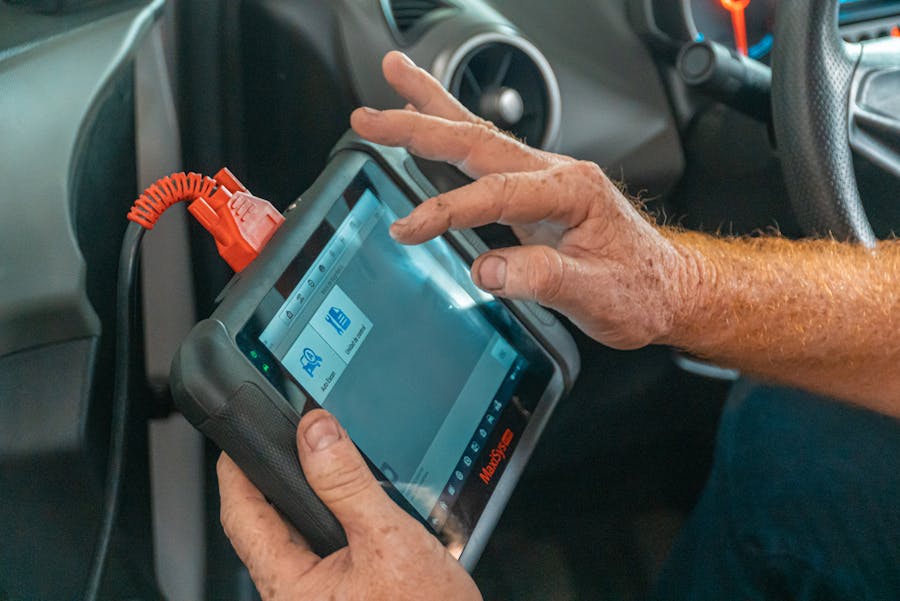
Before deciding whether to attempt a repair yourself, it’s important to understand the basics of car diagnostics. Modern vehicles are equipped with complex systems that interact with each other, making troubleshooting a delicate task.
Learning the fundamentals, such as recognizing dashboard warning lights and listening for unusual sounds, can help you identify minor issues early. While DIY fixes can be satisfying and cost-effective, a lack of proper knowledge can lead to bigger problems. Knowing when to stop and seek professional help is key to maintaining the longevity of your vehicle.
DIY Car Diagnostics: What You Can Handle at Home
DIY diagnostics are often suitable for minor, easily identifiable issues. Simple problems like checking fluid levels, replacing air filters, or tightening loose battery connections can be managed without professional assistance.
Common DIY Tasks Include:
- Checking oil and coolant levels – Low fluid levels can cause engine damage if not addressed.
- Replacing wiper blades and bulbs – These are straightforward tasks requiring minimal tools.
- Inspecting tire pressure and tread – Ensures safety and improves fuel efficiency.
- Using an OBD-II scanner – Reading basic error codes can help you identify minor issues.
While these tasks are relatively safe, always follow the manufacturer’s guidelines and avoid taking on repairs beyond your skill level. Doing so ensures you don’t compromise your safety or your car’s performance.
Professional Diagnostics: When to Call the Experts
Some issues require the expertise of a professional mechanic. Complex problems involving the engine, transmission, or electrical systems often need specialized equipment and experience.
Professional diagnostics can save you time and money in the long run, especially for issues that are not easily identifiable. Mechanics have access to advanced tools that can pinpoint the root cause of problems, ensuring accurate and lasting repairs. Attempting to fix these issues yourself can lead to unnecessary expenses and even damage to your vehicle.

Signs You Should Seek Professional Help:
- Persistent engine warning lights
- Unusual noises or vibrations while driving
- Difficulty starting the car or frequent stalling
- Brake issues or fluid leaks
- Transmission problems
Recognizing these warning signs early can prevent costly repairs and keep your vehicle running safely.
Car Problem Signs You Can’t Ignore
Being able to identify critical car problem signs is vital for any car owner. Ignoring these symptoms can lead to breakdowns and safety hazards.
Some of the most common signs include:
- Smoke or unusual smells – Could indicate overheating or electrical issues.
- Dashboard alerts – Modern cars have sensors that detect everything from oil levels to engine malfunctions.
- Fluid leaks under the car – Leaking coolant, oil, or brake fluid signals urgent attention.
- Strange noises – Grinding, knocking, or squealing often indicate mechanical problems.
If any of these signs appear, it’s safer to consult a professional rather than attempting a DIY repair.
Pros and Cons of DIY vs. Professional Diagnostics
Choosing between DIY and professional diagnostics requires weighing the benefits and drawbacks of each approach.
DIY Advantages:
- Saves money on minor repairs
- Increases knowledge and confidence in car maintenance
- Quick fixes for easily identifiable problems
DIY Disadvantages:
- Risk of misdiagnosis or causing further damage
- Limited access to advanced diagnostic tools
- Safety risks if the problem involves high-pressure systems or electronics
Professional Advantages:
- Accurate identification of complex issues
- Access to specialized tools and parts
- Reduces long-term repair costs by preventing mistakes
Professional Disadvantages:
- Higher upfront cost
- Requires scheduling and possibly waiting for service
By understanding these pros and cons, car owners can make informed choices about which approach to take.
Tips for Safe DIY Car Diagnostics
If you decide to diagnose minor problems yourself, following safety precautions is essential. Always work in a well-lit area and keep a fire extinguisher nearby in case of emergencies. Wear gloves and protective eyewear, especially when dealing with fluids and moving parts.
Keep a basic toolkit and a user manual for reference. Use online resources or tutorials from reputable sources to guide your troubleshooting process. Remember that knowing your limits is just as important as knowing how to fix the problem.
Conclusion: Knowing When to DIY and When to Call a Professional
Diagnosing car problems is a balance between knowledge, safety, and practicality. Minor issues can often be handled at home, saving money and building confidence in your automotive skills. However, complex problems, especially those involving critical systems, require professional attention to avoid further damage and ensure your safety.
By recognizing car problem signs early and understanding the scope of your abilities, you can make the right decision and keep your vehicle running smoothly for years to come.