
Opening your monthly utility bill should not feel like a punch to the wallet. Yet, when power bills surge without an obvious change in your daily routine, your heating and cooling equipment is almost certainly behind the spike. Accounting for over half of a typical home’s energy consumption, your HVAC system works quietly in the background to maintain indoor comfort. When everything operates smoothly, energy usage remains steady and predictable. However, when minor mechanical flaws, air distribution leaks, or neglected maintenance issues creep in, system efficiency plumbing drops, causing your power bills to skyrocket.
The frustrating truth is that an HVAC system rarely fails all at once; instead, it loses efficiency gradually. Small issues like clogged air filters, leaky ductwork, worn capacitors, or low refrigerant levels force your equipment to run significantly longer to reach the set temperature. Every extra minute that blower motor or compressor runs adds directly to your monthly expenses. By understanding how these hidden issues waste power and learning how to spot early warning signs, you can take control of your energy bills, protect your equipment, and restore efficient comfort to your home.
Recognizing Vehicle Reliability and Early Warning Indicators
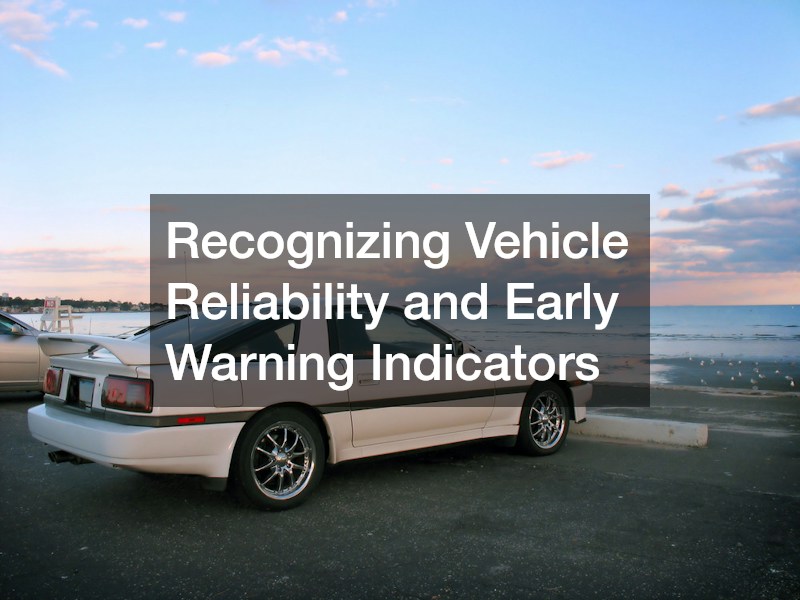
Driving an aging, high-mileage vehicle offers financial relief from monthly car payments, but it comes with a trade-off in predictability. Mechanical systems do not last forever, and as components reach the end of their operational lifespan, the risk of a sudden roadside breakdown and need of automotive repairs increases. However, automobiles rarely fail completely without sending prior warning signals. Faint squeaks, subtle fluid drips, minor electrical glitches, and changes in driving feel are usually the first signs of developing trouble.
Ignoring early symptoms turns simple, inexpensive maintenance items into major mechanical failures. A minor coolant leak left unchecked can lead to rapid engine overheating, warped cylinder heads, and blown head gaskets. Similarly, ignoring a faint wheel bearing noise can eventually cause the bearing to seize, locking up the wheel at highway speeds. Learning to recognize these early indicators allows you to address mechanical issues on your own terms rather than during a roadside emergency.
Developing a habit of monitoring your vehicle’s regular behavior helps you catch small problems before they escalate. Pay attention to how the engine sounds during cold starts, how the transmission shifts when accelerating, and how the brake pedal feels underfoot. Being proactive with routine checks protects both your safety and your wallet.
Unexplained Fluid Leaks and Puddles Under the Vehicle
Fluid leaks are among the most obvious signs that a component is wearing out. Modern vehicles rely on a complex network of hydraulic, cooling, and lubricating fluids to operate smoothly. When gaskets harden, rubber hoses crack, or metal lines corrode, fluid escapes and reduces the system’s ability to protect vital mechanical parts.
Losing engine oil or coolant poses an immediate threat to your engine. Running an engine low on oil causes extreme metal-on-metal friction, rapidly destroying internal bearings, camshafts, and pistons. Low coolant levels prevent the engine from regulating its operating temperature, causing severe heat damage within minutes.
Partnering with a professional oil change company ensures that fluid levels, filter integrity, and underside leaks are regularly evaluated during routine service. Experienced technicians inspect drain plugs, oil pan seals, and filter mating surfaces for signs of seepage before low oil levels cause permanent engine damage.
When persistent drips appear on your driveway, scheduling a diagnostic evaluation with certified mechanics helps identify the exact source of the leak. Catching a leaking valve cover gasket or water pump early prevents sudden fluid loss while driving.
-
Check Under the Car Weekly: Look for fresh liquid spots on the pavement where you regularly park.
-
Monitor Dipsticks Regularly: Check engine oil and transmission fluid levels every few fuel fill-ups.
-
Never Drive With Low Brake Fluid: A dropping brake fluid level indicates either severely worn brake pads or a dangerous leak in the hydraulic line.
Strange Engine Noises and Unexpected Mechanical Vibrations
Your vehicle’s engine and drivetrain speak through sound and feel. When internal parts begin to wear down, they produce distinct noises and vibrations that signal mechanical stress. Recognizing these sounds helps you pinpoint developing issues before a component breaks completely.
A sharp squealing noise from under the hood often points to a worn or loose serpentine belt. The serpentine belt drives essential accessories, including the alternator, power steering pump, and water pump. If the belt snaps, you lose power steering assistance, battery charging, and engine cooling all at once.
Visiting an established car repair shop allows technicians to test belt tensioners, pulley bearings, and engine mounts using specialized diagnostic tools.
Utilizing specialized auto equipment services ensures that rotating components are checked for proper alignment and smooth operation under load.
-
Knocking or Ticking Noises: Heavy metallic knocking from deep inside the engine indicates worn rod bearings, which can lead to engine failure.
-
Grinding Sound When Braking: A harsh metal-on-metal grinding noise means brake pad friction material is completely worn away, damaging the rotors.
-
Deep Whine or Humming: A humming sound that changes pitch with vehicle speed typically points to a failing wheel bearing.
Sluggish Cranking, Battery Degradation, and Electrical Glitches

An aging electrical system is one of the most common causes of unexpected strandings. Modern vehicles rely heavily on stable electrical current to operate fuel injectors, ignition coils, electronic control units, and sensor networks. When the battery or charging system weakens, the vehicle may fail to start or cut out without warning while driving.
A battery approaching the end of its typical 3-to-5-year lifespan usually gives subtle signals. You might notice the engine turning over slowly on cold mornings, interior lights dimming at idle, or strange dashboard warning lights flickering intermittently.
When an electrical failure occurs far from home, relying on reputable local towing services ensures your vehicle is safely transported to a repair facility without long delays.
Understanding how professional tow truck services operate helps you choose the right transportation method, such as flatbed towing, to protect your vehicle’s drivetrain during transport.
-
Test Battery Voltage Annually: A healthy battery should read around 12.6 volts when the engine is off and 13.8 to 14.5 volts while idling.
-
Clean Corrosion From Terminals: White or bluish powder build-up on battery posts restricts electrical flow and causes starting issues.
-
Address Dimming Headlights: Headlights that dim when you stop at a light often indicate a failing alternator diode or slipping drive belt.
Transmission Slippage, Rough Shifting, and Delayed Engagement
The transmission transfers engine power to the drive wheels. As a transmission ages, internal clutch plates wear down, hydraulic valve bodies collect debris, and fluid breaks down under high operating heat. Transmission problems often start with minor shifting anomalies before progressing to total drive failure.
Transmission slippage occurs when the engine revs up, but the vehicle fails to accelerate proportionally. It feels as if the transmission suddenly shifted into neutral for a few seconds before catching the next gear. This is a clear indicator that internal clutches are losing hydraulic pressure or friction material.
-
Delayed Gear Engagement: A noticeable pause between shifting into Drive or Reverse and feeling the gears engage points to low fluid or internal pressure loss.
-
Harsh or Clunking Shifts: Abrupt, violent gear changes suggest failing solenoids, worn mounts, or degraded fluid.
-
Burnt Fluid Odor: Transmission fluid should be bright red; dark brown or burnt-smelling fluid means internal components are overheating.
Checking transmission fluid level and quality regularly is essential for preventing complete gear loss on the road.
Spongy Brakes, Grinding Pads, and Loss of Hydraulic Pressure
Your vehicle’s braking system is its most critical safety feature. Hydraulic brake systems convert pedal pressure into mechanical stopping force. When air enters the brake lines, fluid degrades, or mechanical parts wear out, stopping distance increases dramatically.
A spongy or soft brake pedal that sinks close to the floorboard indicates air trapped in the lines or an internal pressure leak within the master cylinder. If the pedal lacks resistance, the vehicle will not stop safely during an emergency.
Corroded steel brake lines pose a severe threat in older vehicles. Moisture causes internal and external rust, leading to sudden line ruptures under hard braking.
-
Listen for High-Pitched Squealing: Wear indicators on brake pads produce a sharp squeal to alert you that pad material is running low.
-
Feel for Pedal Pulsation: A vibrating brake pedal under light braking indicates warped brake rotors.
-
Watch the Brake Warning Light: An illuminated brake light on the dash means low fluid levels or a system pressure discrepancy that requires immediate service.
Steering Instability, Vibration, and Damaged Wheels
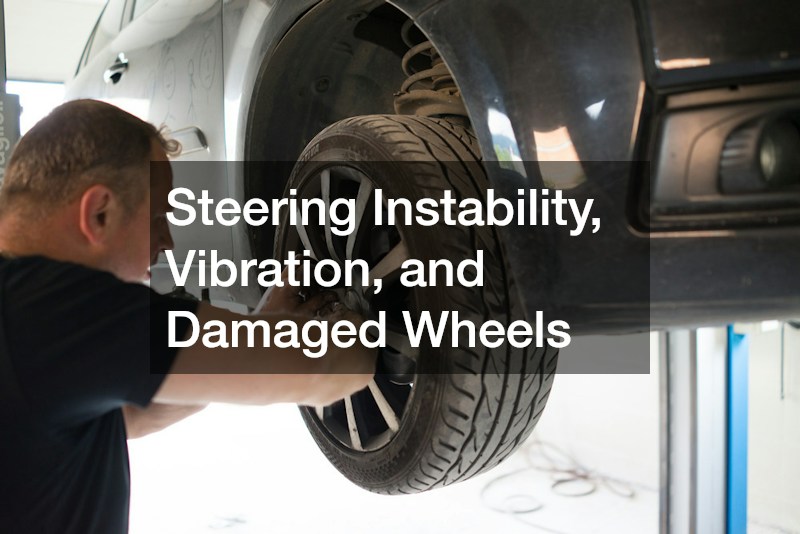
Steering and suspension components keep your tires firmly planted on the road. Over tens of thousands of miles, ball joints loosen, tie rod ends develop play, and aluminum or steel wheels suffer structural damage from potholes and curb impacts.
A persistent steering wheel vibration at highway speeds suggests an out-of-balance tire, a bent rim, or a failing wheel bearing. Ignoring this vibration accelerates wear on steering linkages, shocks, and tires.
Utilizing a specialized wheel repair service can restore bent or cracked alloy wheels, eliminating air leaks and high-speed vibrations caused by road damage.
When suspension parts suffer severe impact damage, scheduling auto collision repairs ensures that bent control arms, subframes, and steering knuckles are brought back to factory specifications.
-
Vehicle Pulling to One Side: Persistent drifting indicates bad wheel alignment, uneven tire pressure, or a dragging brake caliper.
-
Clunking Over Bumps: Knocking sounds over bumps usually point to worn sway bar links, bad strut mounts, or loose ball joints.
-
Uneven Tire Wear: Heavy wear on the inside or outside edge of a tire signals severe alignment or suspension problems.
Engine Overheating and Temperature Gauge Spikes
An engine operating above its designed temperature range can sustain catastrophic damage within minutes. Aluminum cylinder heads warp, head gaskets blow, and engine blocks crack when exposed to extreme heat.
The temperature gauge on your dashboard provides an early warning of cooling system distress. If the needle creeps above the midpoint toward the red zone, the cooling system is losing its ability to dissipate heat.
A sweet, glycol smell inside or outside the vehicle indicates leaking coolant. White steam rising from beneath the hood means the cooling system has depressurized and boiled over.
-
Pull Over Immediately: If the temperature gauge enters the red zone, safely pull off the road and turn off the engine right away.
-
Never Open a Hot Radiator Cap: Pressurized, boiling coolant will spray out and cause severe burns; wait at least 30 minutes for the system to cool.
-
Check the Electric Cooling Fan: Ensure the radiator fan turns on when the engine reaches operating temperature or when the air conditioning is running.
Persistent Exhaust Smoke and Burning Odors
The color and smell of exhaust emissions offer valuable clues about internal engine health. A healthy, fully warmed-up engine produces virtually invisible exhaust gases. Distinct smoke colors signal that non-fuel fluids are entering the combustion chambers.
Blue exhaust smoke indicates that the engine is burning oil. This is typically caused by worn valve stem seals, stuck piston rings, or internal PCV system failures. As oil burns, engine oil levels drop rapidly, raising the risk of severe mechanical damage.
Thick, sweet-smelling white exhaust smoke indicates that engine coolant is entering the combustion chambers—a classic symptom of a blown head gasket or cracked engine block.
-
Black Exhaust Smoke: Signals that the engine is burning too much fuel, often due to a clogged air filter, bad O2 sensor, or leaking fuel injector.
-
Burning Rubber Odor: Points to a slipping drive belt or a loose hose contacting hot exhaust components.
-
Acrid Electrical Smell: Signals melting wire insulation or an overheating electrical component that requires immediate attention.
Aesthetic Upgrades vs. Critical Mechanical Priorities
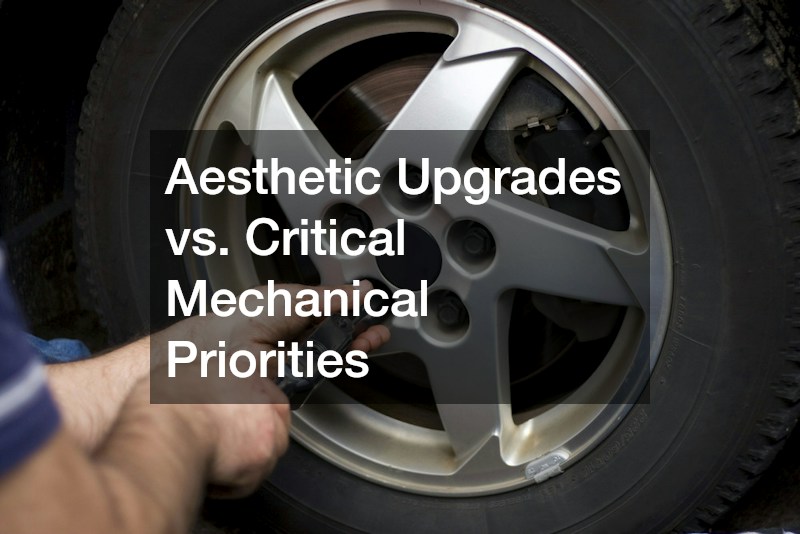
It is easy to get caught up in how an older car looks, but cosmetic upgrades should never take priority over basic mechanical health. Investing money in appearance while ignoring mechanical maintenance increases the risk of a breakdown.
Before spending money on car customization, such as aftermarket wheels, window tint, or custom audio gear, ensure that all basic maintenance items are up to date.
Balancing your budget to prioritize fresh fluids, strong brakes, healthy tires, and a reliable battery ensures that your vehicle remains safe and dependable for daily use.
-
Establish a Maintenance Fund: Set aside money monthly for routine maintenance and unexpected repairs rather than cosmetic modifications.
-
Fix Safety Items First: Always prioritize brakes, steering, tires, and lighting over cosmetic repairs.
-
Maintain Service Records: Keep a detailed folder of all repairs and maintenance to track component age and help maintain resale value.