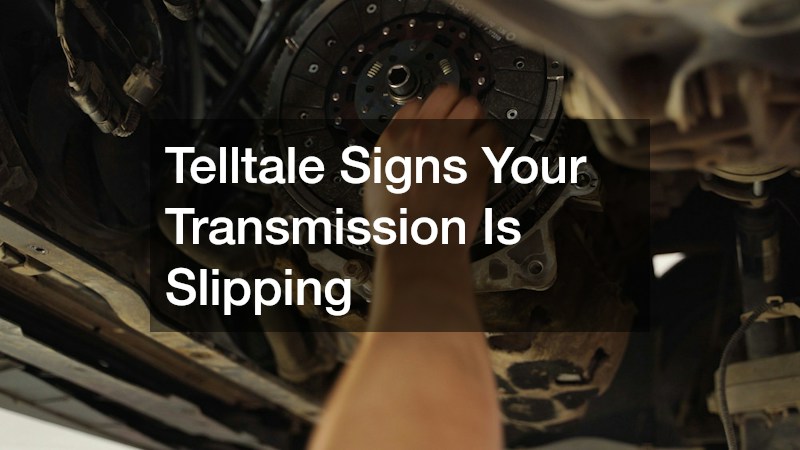
Few driving experiences are as immediately disorienting as pressing down on the accelerator pedal, hearing your engine roar to life, and feeling almost no corresponding surge in forward motion. For a fraction of a second, your senses struggle to reconcile the disconnect: the tachometer needle races toward the redline, the exhaust pitch climbs, yet your vehicle glides forward with all the urgency of a bicycle coasting uphill. This distinct mechanical decoupling is the hallmark of a slipping transmission, and it represents one of the most urgent distress signals your automobile can deliver.
A vehicle’s transmission is arguably its most complex mechanical assembly. Whether automatic, dual-clutch, or continuous-variable, the gearbox is tasked with managing thousands of pounds of kinetic energy, channeling raw engine power through a precision labyrinth of planetary gearsets, hydraulic circuits, friction clutches, and electronic actuators. When everything functions in harmony, shifts occur imperceptibly, transferring torque smoothly to the pavement. But when internal friction fails or hydraulic line pressure collapses, the link between the motor and the drive wheels fractures.
Spotting Engine RPM Spikes and Delayed Acceleration Response
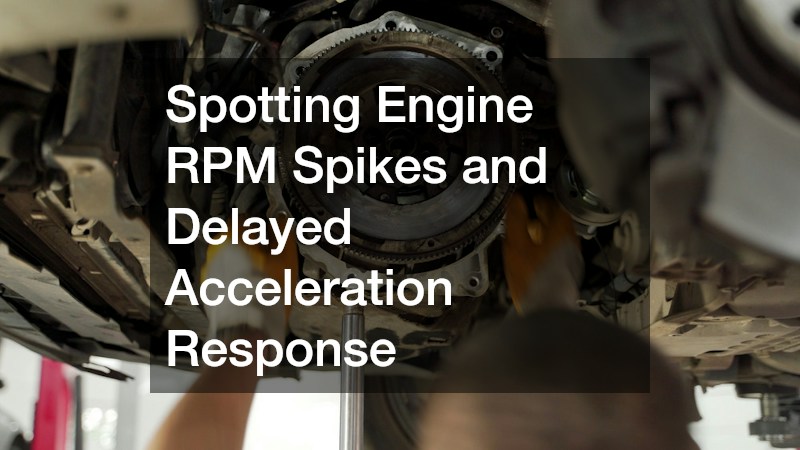
The most classic and unmistakable manifestation of a slipping transmission is an uncoupling of engine speed from road speed. Under normal operating conditions, your vehicle’s engine revolutions per minute (RPM) rise in direct, linear proportion to the acceleration of the wheels. When the transmission shifts into a higher gear, the engine RPM drops slightly, settling into a lower, more efficient operating band before climbing smoothly once more.
While these symptoms are typical of modern automatic gearboxes, manual transmissions display an identical physical decoupling with distinct mechanical root causes. Drivers accustomed to traditional manual setups understand that friction wear is an inevitable part of high-mileage vehicle ownership. When a manual transmission slips, it is almost always the external friction disc wearing down against the flywheel and pressure plate, a mechanical issue resolved through specialized manual transmission repairs. Unlike automatics, where internal clutch packs are sealed inside aluminum drums submerged in oil, manual friction components are dry and directly subject to driver footwork, clutch cable tension, and hydraulic slave cylinder health.
Because modern drivetrains rely heavily on electronic line-pressure control and sensitive electronic control units (ECUs), guessing at the underlying problem based on sound and feel alone is risky. Squeezing every possible mile out of an aging daily driver requires consulting a certified mechanic who can connect specialized scan tools, monitor real-time transmission fluid temperature and pressure transducers, and perform stall-speed evaluations. An experienced automotive technician can instantly differentiate between an electronic throttle body communication error, a failing mass airflow sensor, and a genuine internal mechanical clutch slip, preventing you from spending money on unnecessary replacement parts.
Diagnosing Rough Shifting, Harsh Clunks, and Uncommanded Gear Changes
A healthy transmission executes shifts smoothly and predictably, using electronic pulse-width modulated solenoids to cushion the transition from one gear ratio to the next. When slippage begins, the transmission control module (TCM) often detects that the input shaft speed and output shaft speed do not match the expected mathematical ratio. In an effort to stop the slippage, the computer commands maximum line pressure, causing harsh, jarring gear shifts that can shake the entire chassis.
When uncommanded gear drops or violent transmission lockups occur at speed, the vehicle’s abrupt deceleration can precipitate sudden collisions with following traffic or cause the driver to strike physical roadway barriers. If an erratic downshift leads to a collision, resolving the resulting structural sheet metal damage requires professional auto body repair. Skilled frame specialists use hydraulic pulling racks, laser-guided measuring systems, and factory weld procedures to restore crushed unibody rails, structural inner fenders, and radiator supports to original factory safety tolerances.
Even low-speed transmission bucking in congested parking lots can have immediate physical consequences. When a slipping transmission suddenly grabs and lurches forward while parking, vehicles frequently strike concrete parking bollards, high curbs, or neighboring vehicles. Correcting these localized cosmetic and structural fractures requires prompt bumper repair. Modern bumper assemblies house sensitive forward-facing radar units, parking sonar sensors, and pedestrian collision mitigation cameras that must be carefully recalibrated after the underlying plastic covers and energy-absorbing foam are repaired and refinished.
Inspecting Transmission Fluid Color, Condition, and Burnt Odors
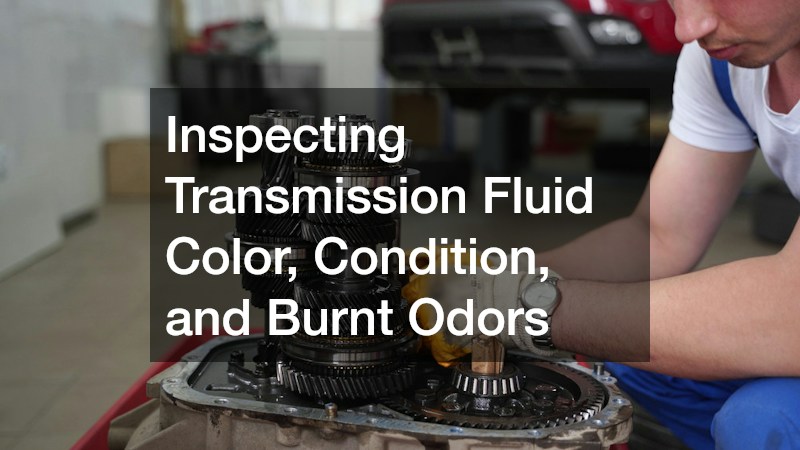
A leaking transmission will quickly cause fluid levels to drop below the minimum pickup threshold of the internal hydraulic pump, inducing catastrophic air aeration and rapid gear slippage. Identifying leaks early means paying close attention to your daily parking spot. Red or dark-brown puddles pooling under the center or front of the engine bay are a clear warning that an output shaft seal, cooler line, or transmission oil pan gasket has failed.
Left unaddressed, corrosive transmission fluid leaks will permanently stain and degrade home parking surfaces. When vehicle fluids drip onto architectural masonry, decorative driveways, or delicate stone pavers, the petroleum distillates soak deep into porous aggregate, leaving dark, stubborn grease rings that are notoriously difficult to extract without specialized chemical degreasers and high-pressure steam cleaning. Sealing driveway surfaces and inspecting the vehicle underside prevents irreversible staining of your property’s exterior hardscaping.
When an unexpected transmission failure leaves a family vehicle stranded in the repair shop for days or weeks awaiting backordered replacement components, daily routines are thrown into chaos. For households caring for elderly or vulnerable relatives, the loss of reliable transportation can disrupt vital medical appointments, grocery distribution, and physical therapy sessions. In these situations, arranging non-medical home care services provides vital support, ensuring trained caregivers can handle transportation, meal preparation, medication reminders, and mobility assistance while your family navigates the logistics of getting the primary vehicle back on the road.
Navigating Highway Collisions and Severe Mechanical Liability
While a slipping transmission is commonly treated as a financial or mechanical inconvenience, it carries severe physical safety hazards that should never be underestimated. The modern transportation network moves at high speeds, relying on predictable, fluid acceleration. When an automobile experiences total driveline failure in high-speed traffic, the speed differential between the disabled car and surrounding motorists creates an immediate recipe for multi-vehicle pileups.
When a mechanical failure results in a severe highway crash, determining liability becomes a multifaceted legal challenge. If an accident was precipitated by improper service, defective aftermarket transmission components, or a dealership’s failure to address a documented technical service bulletin (TSB), retaining a dedicated car accident attorney is essential. A personal injury lawyer works with certified accident reconstruction specialists to extract electronic control module black-box telemetry, review dealership repair logs, and establish whether corporate negligence or defective parts directly caused the catastrophic mechanical loss of control.
The physical forces generated in high-speed highway collisions frequently cause devastating damage to the vehicle’s structural skeleton. Restoring a vehicle that has survived a major collision demands comprehensive auto body repair services. Certified structural collision repair technicians must replace deformed bumper reinforcement bars, align high-strength steel unibody rails to sub-millimeter tolerances, and properly bond replacement quarter panels and floor pans, ensuring the vehicle’s structural crash-management zones will perform correctly in any future impact.
Preserving Vehicles During Prolonged Downtime and Storage
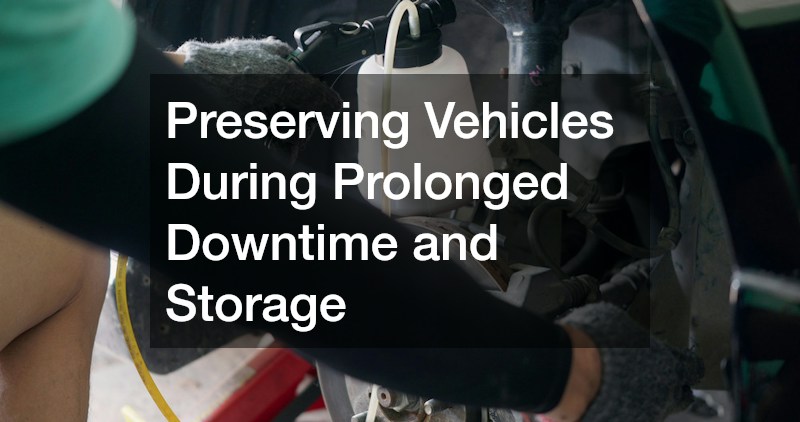
When a transmission suffers terminal internal slippage, the path to recovery is rarely instant. In an era of global supply-chain friction, specialized replacement gearboxes, remanufactured valve bodies, and backordered torque converters can take weeks, or even months, to arrive at the repair facility. If your vehicle must sit idle while you save up repair funds or await scarce parts, leaving the car exposed to the elements can cause secondary mechanical and cosmetic deterioration that compounds your total repair costs.
Allowing a broken automobile to sit parked on a damp dirt driveway or under outdoor tree cover invites rapid degradation. Moisture rising from bare earth accelerates undercarriage rust, seizing suspension fasteners and corroding exposed aluminum transmission casings. Rodents frequently seek shelter inside stationary engine bays, chewing through delicate wiring harnesses, knock-sensor leads, and transmission solenoid connectors, turning a purely mechanical transmission swap into an electrical diagnostic nightmare.
For rare, classic, or high-value enthusiast vehicles awaiting extensive driveline overhauls, utilizing dedicated car storage facilities provides the optimal protective environment. Professional, climate-controlled storage maintains consistent humidity levels, preventing delicate rubber transmission lip seals from drying out and cracking while shielding bare-metal internal engine and transmission parts from condensation, rust, and pest infestation.
Simultaneously, prolonged stationary sun exposure poses a severe threat to your vehicle’s passenger compartment. UV rays and intense thermal heat baking through untreated automotive glass dry out vinyl dashboards, crack leather upholstery, and degrade plastic steering wheel covers. Having professional auto tinting installed applies advanced ceramic films across vehicle windows that reject up to ninety-nine percent of destructive ultraviolet radiation and dramatically lower internal cabin temperatures, preserving original interior appointments while the vehicle sits idle awaiting mechanical service.
Actionable Driver Decision and Diagnostic Checklist

When you suspect your transmission is slipping, guessing can lead to expensive errors. Executing a structured, sequential diagnostic check allows you to gather objective operational data before speaking with a service advisor or authorizing an expensive teardown.
Follow this practical diagnostic procedure to evaluate your transmission’s health:
1. The Level-Ground Running Fluid Inspection
Checking automatic transmission fluid requires a specific procedure that differs significantly from checking engine oil:
- Drive the vehicle for ten to fifteen minutes to bring the transmission fluid up to its normal operating temperature (typically between 160 and 190 degrees Fahrenheit).
- Park the vehicle on a completely flat, level concrete surface, set the emergency parking brake, and leave the engine idling (consult your owner’s manual, as some manufacturers specify checking in neutral, while most require park).
- Pull the transmission dipstick, wipe it clean with a white, lint-free cloth, reinsert it fully for three seconds, and pull it out again.
- Verification: Confirm the fluid level sits squarely within the “HOT” crosshatch zone; inspect the cloth to verify the fluid is clean pinkish-red and completely free of acrid burnt smells or gritty black flecks.
2. The Electronic OBD-II Trouble Code Scan
Modern computerized transmissions monitor internal shaft speeds down to the single revolution. When a clutch pack slips, the transmission control module records a Diagnostic Trouble Code (DTC):
- Connect an OBD-II scanner capable of reading enhanced transmission control module (TCM) codes to the diagnostic port beneath your dashboard.
- Look specifically for “P0700” series trouble codes, which indicate transmission control system malfunctions.
- Common slippage codes include P0730 (Incorrect Gear Ratio), P0731 through P0735 (Gear Ratio Error in Gears 1 through 5), and P0741 (Torque Converter Clutch Circuit Performance or Stuck Off).
- Verification: If gear ratio error codes appear alongside shift solenoid circuit faults, the problem may be an isolated electrical solenoid failure rather than worn mechanical clutch packs.
3. The Controlled Stall-Speed Evaluation
If your vehicle has safe clearance, you can evaluate transmission torque-holding capacity without driving on public roads (execute this test cautiously and never hold it for more than five seconds):
- Ensure the engine and transmission are at full operating temperature; chock the front and rear wheels, and firmly press the brake pedal to the floor with your left foot.
- Shift the transmission into drive while keeping the brake firmly engaged; gently depress the accelerator pedal with your right foot for two to three seconds while watching the tachometer.
- The engine should reach a firm, steady “stall speed” (typically between 2,000 and 2,500 RPM, depending on vehicle specifications) and stop climbing.
- Verification: If the engine RPM races past 3,000 RPM or climbs uncontrollably without moving the vehicle, the internal forward clutch pack or torque converter stator is slipping severely.
4. The Stop-Driving Rule
Knowing when to turn off the ignition key is the single most important decision you can make:
- If the transmission slips intermittently but the fluid is translucent pink and smells clean, you may be dealing with a low fluid condition or a faulty solenoid; top off with manufacturer-specified ATF and drive directly to a repair shop.
- If the fluid is black, smells strongly of burnt friction material, and the transmission revs freely in gear without moving the car, do not drive another mile. Continuing to drive will scatter metallic debris throughout the external cooler lines and torque converter, turning a manageable rebuild into a total drivetrain write-off. Call a flatbed tow truck immediately.
A slipping transmission is never a problem that resolves itself through wishful thinking or delayed maintenance. It is an unambiguous mechanical warning that internal friction materials, hydraulic pressures, or electronic control systems have exceeded their operating limits. Treating the symptom as a minor annoyance invites dangerous highway breakdowns, increases the risk of high-speed collisions, and drives repair costs exponentially higher.
By paying attention to early warning signals—such as RPM flares, hesitation under load, delayed gear engagement, and burnt transmission fluid—you maintain control over your vehicle’s mechanical health and your budget. Whether your car requires a simple fluid flush, an external solenoid replacement, or a complete overhaul, catching the problem early keeps you in the driver’s seat and ensures your vehicle remains safe, dependable, and road-ready for thousands of miles to come.