
Driving should be an experience marked by freedom and convenience, not anxiety over sudden breakdowns or expensive roadside emergencies. Every time you turn the ignition, thousands of mechanical, electrical, and structural components work together to propel your vehicle safely to its destination. When even one of these critical systems fails, the results can range from an inconvenient detour to a severe accident. Preventing catastrophic failures requires a combination of vigilant driving habits, early symptom recognition, and proactive maintenance routines. By understanding how key vehicle systems operate and taking early action, you protect your safety, extend the lifespan of your automobile, and safeguard your financial well-being.
Developing a habit of consistent vehicle checkups transformed ownership from a stressful gamble into a predictable, manageable process. While modern automobiles are engineered with impressive tolerances and advanced computer diagnostics, they still depend on human oversight to catch early signs of wear and tear. Minor noises, slight fluid drops, or subtle shifts in steering feedback are often the only advance warnings a driver receives before a minor component issue cascades into a major system shutdown. Embracing a preventive mindset keeps your vehicle running smoothly, protects passenger safety, and ensures that every drive remains dependable regardless of the distance ahead.
Maintaining Core Engine Health and Fluid Systems
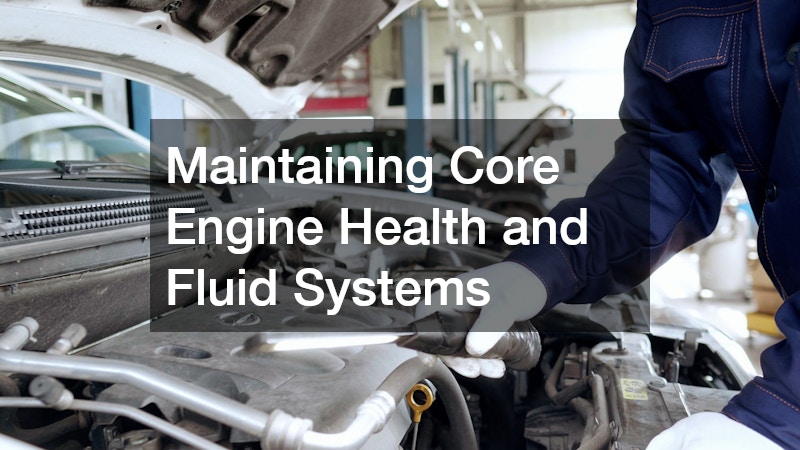
Monitoring Motor Oil Levels and Contamination
Engine oil acts as the lifeblood of your internal combustion engine by reducing friction between moving parts, dispersing heat, and capturing harmful contaminants. Operating a vehicle with low or dirty oil leads to excessive heat, metal-on-metal grinding, and eventual engine seizure.
- Pull the dipstick at least once a month when the engine is cool and parked on a level surface to check levels. Wipe it clean with a rag, reinsert it fully, and ensure the reading sits squarely between the fill markers.
- Inspect the color and texture of the oil during auto repairs. Fresh oil is amber and translucent, while dark, gritty oil indicates a heavy buildup of soot and sludge that demands a filter change.
- Look out for a milky appearance under the oil cap, suggesting coolant is mixing with oil—a classic symptom that requires immediate attention from an auto mechanic to prevent total power plant destruction.
Inspecting Coolant Reservoirs and Radiators
The cooling system prevents the engine from exceeding operational temperature limits. Overheating can warp engine blocks, crack cylinder heads, and melt delicate gaskets, transforming a minor fluid top-off into a massive replacement job.
- Check the expansion tank level visually without opening the radiator cap while the engine is hot to prevent steam burns.
- Observe the color of the antifreeze; clean fluid is vivid green, orange, or pink, while rusty or brown fluid signals internal corrosion within the radiator or heater core.
- Examine rubber radiator hoses for soft spots, swelling, or cracking near hose clamps. Replacing a degraded hose prevents a sudden thermal rupture on the highway.
Preserving Transmission Fluid and Drivetrain Reliability
The transmission transfers rotational power from the engine to the drive wheels. Slipping gears, delayed acceleration, or harsh shifting are clear signs that the transmission fluid has degraded or fallen below critical levels.
- Check automatic transmission fluid using the dipstick while idling at operating temperature on a flat surface, if equipped.
- A burnt odor or dark brown color indicates severe thermal breakdown and clutch plate wear within the housing.
- Follow the service schedule in your owner’s manual for fluid flushes to prevent microscopic metal shavings from destroying precision gear sets under heavy engine loads.
Protecting Electrical Backbone and Braking Systems
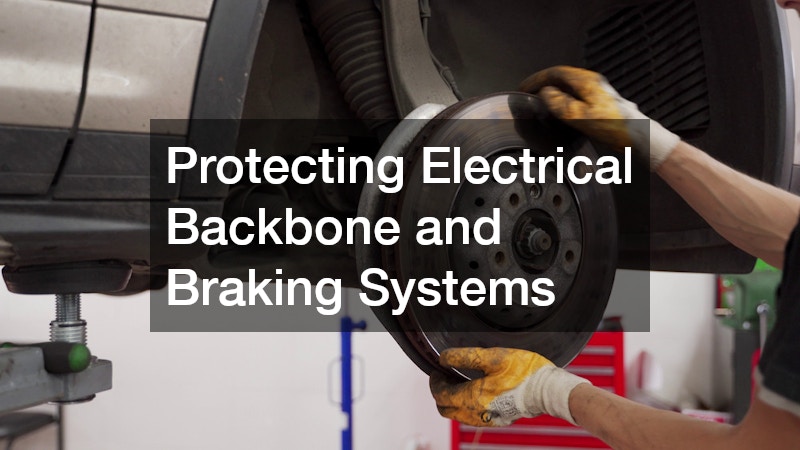
Safeguarding Battery Health and Wiring Harnesses
Modern vehicles rely heavily on the electrical system to power everything from starting components to complex computer safety networks. Corroded terminals, loose grounds, and damaged wires cause erratic electrical issues or sudden loss of vehicle power mid-drive.
- Inspect battery posts for white, powdery corrosion that starves the starter motor of necessary voltage during cold weather.
- Verify hold-down brackets are firm, as excessive vibration cracks internal lead plates and shortens overall battery life.
- Address flickering interior lights, dying dashboard displays, or intermittent accessory failures quickly rather than ignoring them.
- Schedule professional help for car wiring repairs if you suspect hidden electrical shorts, pinched harnesses, or mouse damage under the hood.
Replacing Brake Pads, Rotors, and Hydraulic Fluid
Brake components wear down naturally through friction. Ignoring thin pads damages expensive rotors, overheats brake fluid, and drastically increases stopping distance during emergency maneuvers.
- Measure pad thickness visually through wheel spokes and replace pads when friction material drops below three millimeters.
- Feel the steering wheel for pulsations or shuddering during braking, which indicate warped rotors that require resurfacing or replacement.
- Flush hydraulic brake fluid every two years to prevent absorbed moisture from boiling under heavy braking or corroding internal valve assemblies.
- Schedule routine inspections at a facility offering European auto repair services if you drive specialized high-performance models that utilize complex multi-piston calipers and sensitive anti-lock braking sensors.
Preventing Tire Blowouts and Handling Hazards
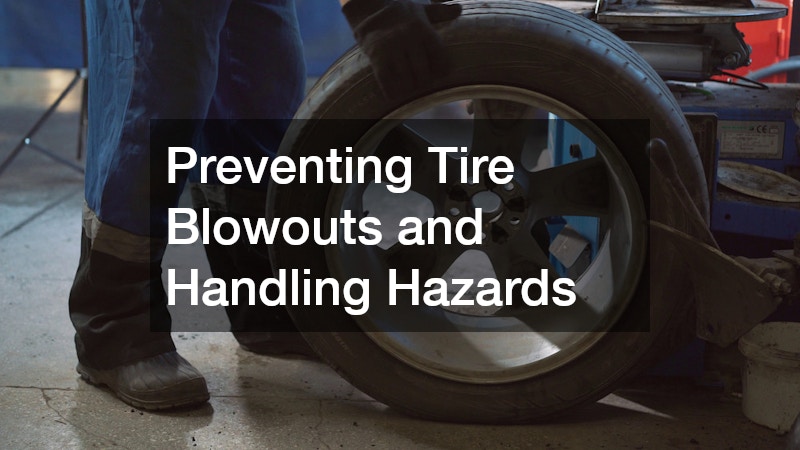
Managing Inflation Pressure and Tread Depth
Incorrect tire pressure is a primary cause of high-speed blowouts. Underinflated tires experience extreme sidewall flexing, generating intense friction heat that degrades structural rubber and internal steel belts from the inside out.
- Check tire pressure monthly using an accurate digital gauge while the tires are cold.
- Inflate tires strictly to the specific pressure listed on the driver-side door jamb placard rather than the maximum limit on the tire wall.
- Conduct the penny test across all grooves; if the top of Lincoln’s head is visible everywhere, your tread depth is too shallow for safety in wet weather.
- Seek immediate assistance from a shop providing tire repair services if a tire loses pressure repeatedly from a slow puncture or a leaking valve stem.
Identifying Sidewall Damage and Suspension Wear
Sidewall defects and worn suspension parts compromise vehicle handling, leaving you vulnerable to sudden loss of control during sharp turns, emergency lane changes, or wet weather conditions.
- Look for bulges or blisters on tire sidewalls, which indicate internal cords have snapped after hitting potholes or severe bumps.
- Conduct the bounce test on each corner of the vehicle; excessive bouncing indicates worn shock absorbers or blown strut seals.
- Examine steering linkages for excessive play by wiggling parked tires horizontally to verify tie rod firmness.
- Replace tires that are more than six years old, regardless of remaining tread depth, to prevent structural rubber separation on hot highway runs.
Protecting Body Integrity and Glass Safety

Managing Windshield Chips and Structural Glass
Your windshield provides essential structural support during rollover accidents and acts as a rigid backstop for passenger airbag deployment. Small rock chips can rapidly spread across the glass under thermal stress, chassis flex, or vibration.
- Address minor stone chips immediately using resin injections before environmental changes cause cracks to branch across the glass.
- Schedule a complete replacement through a shop specializing in auto glass repair when cracks cross the driver’s direct line of sight or hit the edge of the windshield frame.
- Replace worn wiper blades every six to twelve months to prevent hard plastic framing from scratching the glass surface during heavy storms.
Repairing Frame Damage and Exterior Paint
Rust and unaddressed exterior damage weaken structural steel panels, subframes, and crash impact zones, compromising the vehicle’s ability to absorb and deflect energy in a collision.
- Wash the undercarriage thoroughly after winter to clear away road salt and liquid chemical de-icers that accelerate frame corrosion.
- Fix minor scratches, stone chips, and scraped metal swiftly through standard auto body repair techniques to seal raw metal away from air and water.
- Consult specialists skilled in car painting to repair peeling clear coats or exposed primer before oxidation spreads underneath the surrounding factory paint.
Comprehensive Suspension, Steering, and Drivetrain Care
Evaluating Suspension Bushings and Ball Joints
Suspension systems are subject to constant force, supporting vehicle weight while smoothing out rough road surfaces. Worn bushings and ball joints impair alignment, cause severe tire wear, and can lead to dangerous mechanical detachments while moving.
- Inspect rubber bushings on control arms for cracking, dry rot, or complete tearing that allows metal-on-metal contact.
- Listen for loud clunking or squeaking noises when driving over speed bumps or turning into low-speed driveways.
- Check ball joint boots for grease leakage; once protective grease escapes, grit enters and rapidly destroys the precision ball socket.
Maintaining Wheel Alignments and Axle Boots
Proper wheel alignment ensures predictable handling and prevents premature tire destruction. Meanwhile, drive axles transmit engine power straight to the hubs and must remain properly sealed.
- Schedule an alignment check immediately if your vehicle pulls steadily to one side on a flat, straight roadway.
- Inspect Constant Velocity (CV) axle boots for tears or spraying grease behind the front wheels.
- Listen for rhythmic clicking noises while making sharp, low-speed turns, which signals a failing CV joint that requires total axle replacement.
Navigating Post-Accident Recovery and Readiness
Managing Collision Recovery and Coverage Protection
Following a minor collision, curb impact, or parking lot scrape, hidden structural or mechanical damage can make a vehicle unsafe to drive, even if exterior damage appears purely cosmetic.
- Inspect the undercarriage for fresh puddles of fluid, bent tie rods, or cracked wheel liners following any severe road impact.
- Check that all doors, the hood, and the trunk latch smoothly; binding latches suggest frame twist or unibody shift.
- Submit detailed accident reports promptly to your auto insurance company to start the claims process without administrative delays.
- Keep a fully stocked roadside emergency kit in your trunk, including heavy-duty jumper cables, flashlights, reflective flares, and emergency water.
Prioritizing Personal Health After Impacts
Vehicle damage can always be fixed, but physical injuries require immediate medical evaluation to prevent chronic pain, nerve complications, or long-term mobility issues.
- Seek medical evaluation immediately following an impact, as initial adrenaline often masks soft-tissue injuries, whiplash, and micro-concussions.
- Explore specialized post-auto injury chiropractic care options to address whiplash, spinal misalignment, and joint trauma caused by sudden deceleration forces.
- Maintain detailed service records for all medical visits, physical therapy treatments, and mechanical repairs to ensure complete structural and personal recovery.
Proactive Seasonal Preparation and Inspection Protocols
Preparing for Extreme Summer Heat
High summer temperatures place immense stress on batteries, air conditioning systems, and cooling loops. Preparing for heat waves prevents sudden breakdowns on remote highway road trips.
- Test battery charging capacity before summer peaks, as high ambient heat accelerates internal plate corrosion faster than freezing cold.
- Clean bug debris and road dirt off the front radiator fins to maximize cooling airflow at high driving speeds.
- Check air conditioning system pressures and cabin air filters to ensure proper cabin cooling and defogging capability.
Winterizing Vital Vehicle Systems
Freezing weather thickens fluids, drops battery power, and tests heating systems. Winterizing your vehicle ensures starting reliability and safe handling on slippery surfaces.
- Switch to lower-viscosity motor oil if recommended by your manual for extreme sub-zero operational conditions.
- Inspect door seals and treat rubber weatherstripping to prevent doors from freezing shut in ice storms.
- Verify that your windshield washer fluid is rated for sub-zero temperatures to prevent frozen washer lines and cracked fluid reservoirs.
Preventing catastrophic failures on the road requires consistent attention, early intervention, and an uncompromised commitment to maintenance. By prioritizing routine inspections of fluid levels, braking systems, electrical networks, and tire conditions, you eliminate the underlying causes of sudden vehicle breakdowns. Every step taken to preserve your vehicle’s mechanical and structural integrity pays dividends in safety, reliability, and long-term financial savings. Stay proactive under the hood, listen closely to changes in how your vehicle sounds or feels, and address minor repairs promptly to enjoy complete peace of mind on every journey.
Ultimately, taking care of an automobile is an investment in your own safety and financial stability. Vehicle breakdowns on busy highways pose severe safety hazards, while sudden mechanical failures routinely lead to exorbitant emergency towing and extreme repair bills. By replacing worn components before they completely collapse, you remain in control of your vehicle’s condition, service schedule, and budget. Treat your car with care, pay attention to subtle performance warnings, and make preventative care a fundamental part of your driving routine.