
- Pay attention to dashboard warning lights, as they can indicate serious mechanical or safety issues.
- Unusual noises, smells, and vibrations often signal underlying problems that shouldn’t be ignored.
- Fluid leaks—oil, coolant, brake, or transmission—can lead to major damage if not addressed promptly.
- Decreased performance and difficulty starting may point to engine, fuel, or battery issues.
- Excessive smoke from the exhaust can indicate oil burning, coolant leaks, or fuel problems.
- Brake and steering issues are critical safety warnings that require immediate attention.
- Acting on early warning signs prevents costly repairs and ensures vehicle reliability and safety
Your car is designed to communicate with you—just not through words. Instead, it relies on sounds, smells, warning lights, and performance changes to signal that something isn’t right. Ignoring these signals can turn minor issues into costly repairs or even dangerous situations on the road. Whether you’re a daily commuter or an occasional driver, understanding early warning signs is essential to keeping your vehicle in top condition.
In this guide, we’ll explore the most critical car problem signs you should never ignore. By learning how to identify these issues early, you can protect your safety, extend your car’s lifespan, and avoid expensive breakdowns.
Why Is It Important to Recognize Car Problem Signs Early?
Modern vehicles are complex machines made up of thousands of interconnected components. When one part begins to fail, it often affects others, creating a domino effect of damage. Recognizing early warning signs allows you to address problems before they escalate into major repairs or system failures.
Many drivers overlook subtle changes in their car’s behavior, assuming they’re minor or temporary. However, what starts as a small issue—like a faint noise or slight vibration—can quickly become a serious concern if left untreated. Early detection not only saves money but also reduces the risk of accidents caused by mechanical failure.
Another key benefit of identifying car problem signs early is improved vehicle reliability. When your car is well-maintained, you can drive with confidence knowing that it’s less likely to break down unexpectedly. Paying attention to these signals is one of the simplest yet most effective ways to protect your investment.
Dashboard Warning Lights: What Do They Really Mean?
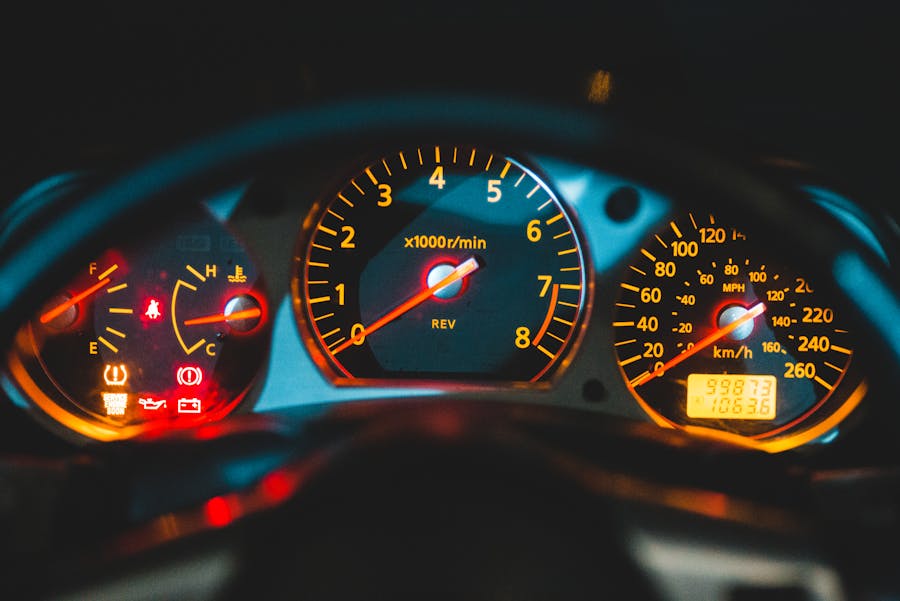
Dashboard warning lights are your car’s primary communication system, designed to alert you when something is wrong. These lights can indicate anything from minor maintenance needs to serious mechanical issues that require immediate attention.
One of the most commonly ignored lights is the check engine light. While it may sometimes indicate a minor issue, it can also signal significant problems such as engine misfires or emission system failures. Ignoring this light can lead to reduced performance and higher repair costs over time.
Other critical warning lights include the oil pressure light, battery alert, and brake system warning. Each of these serves a specific purpose and should never be dismissed. When a warning light appears, it’s best to consult your vehicle manual or have a professional diagnose the issue promptly to avoid further complications.
Unusual Noises: Is Your Car Trying to Tell You Something?
Cars are not meant to make loud or unusual noises during normal operation. When you hear something out of the ordinary, it’s often a sign that a component is worn out, loose, or failing. Paying attention to these sounds can help you identify problems early.
Common noises include squealing brakes, grinding sounds, knocking from the engine, and rattling under the hood. Each type of noise points to a different issue. For example, squealing brakes often indicate worn brake pads, while grinding may suggest more severe damage to the braking system.
Ignoring these noises can lead to more extensive and expensive repairs. Addressing them early not only saves money but also ensures your vehicle remains safe to drive. If you’re unsure about a sound, it’s always better to have it checked by a professional.
Strange Smells Coming From Your Car
Unusual odors inside or around your vehicle are another important indicator of potential problems. Different smells can point to specific issues, and recognizing them can help you act quickly before the situation worsens.
A burning smell may indicate overheating components, such as brakes or the engine. A sweet, syrup-like odor often suggests a coolant leak, while a strong gasoline smell could point to a fuel system issue. Each of these requires immediate attention to prevent further damage or safety risks.
Smells are often overlooked because they can come and go, but they should never be ignored. If you notice a persistent or strong odor, it’s essential to identify its source and address it promptly. Doing so can prevent serious mechanical failures and ensure a safer driving experience.
Vibrations and Shaking: What’s Causing the Problem?
A smooth ride is a sign that your car is functioning properly. When you start to feel vibrations or shaking, it usually means something is out of balance or not working as it should. These sensations can occur while idling, accelerating, or braking.
Vibrations while driving at high speeds may indicate tire imbalance or alignment issues. On the other hand, shaking during braking often points to warped brake rotors. If the vibration occurs while idling, it could be related to engine performance problems.
Ignoring these issues can lead to uneven tire wear, reduced fuel efficiency, and compromised safety. Addressing the root cause early ensures a smoother and safer driving experience while preventing further damage to your vehicle.
Fluid Leaks: A Major Car Problem Sign You Should Never Ignore
Fluids are essential for your car’s operation, as they lubricate, cool, and power various systems. When you notice a leak, it’s a clear indication that something is wrong. Identifying the type of fluid can help you determine the severity of the issue.
Common fluid leaks include:
- Oil (brown or black): Indicates engine lubrication issues
- Coolant (green, orange, or pink): Points to overheating risks
- Transmission fluid (red): Signals transmission problems
- Brake fluid (clear or yellow): Affects braking performance
Even a small leak can lead to significant problems if left untreated. Low fluid levels can cause components to overheat, wear out, or fail completely. Regularly checking for leaks and addressing them promptly is crucial for maintaining your car’s health.
Decreased Performance: Is Your Car Losing Power?
A noticeable drop in your car’s performance is often a sign that something isn’t functioning correctly. This can manifest as reduced acceleration, poor fuel efficiency, or difficulty maintaining speed.
Several factors can contribute to decreased performance, including clogged air filters, fuel system issues, or engine problems. In some cases, it may also be related to transmission issues that affect how power is delivered to the wheels.
Ignoring performance issues can lead to further damage and higher repair costs. By addressing these problems early, you can restore your vehicle’s efficiency and ensure a more enjoyable driving experience.
Difficulty Starting the Engine
Your car should start smoothly and reliably every time you turn the key or press the ignition button. When it struggles to start, it’s often a sign of underlying issues that need attention.
Common causes include a weak or dead battery, a faulty starter motor, or fuel delivery problems. In some cases, it could also be related to ignition system issues, such as worn spark plugs.
Delaying repairs can leave you stranded at inconvenient times. If you notice slow cranking, clicking sounds, or repeated failed attempts to start your car, it’s important to have it inspected as soon as possible.
Excessive Smoke from the Exhaust
Your car’s exhaust can reveal a lot about its condition. While a small amount of vapor is normal, excessive or colored smoke is a clear warning sign of trouble.
Different colors indicate different issues:
- Blue smoke: Burning oil
- White smoke: Coolant leak or engine damage
- Black smoke: Excess fuel consumption
Each of these problems can lead to serious engine damage if not addressed promptly. Monitoring your exhaust and taking action when you notice unusual smoke can help prevent costly repairs and maintain your vehicle’s performance.
Brake Issues: Are Your Brakes Still Safe?
Your braking system is one of the most critical safety features of your vehicle. Any sign of brake problems should be taken seriously, as it directly affects your ability to stop safely.
Common brake-related warning signs include:
- Squeaking or grinding noises
- Soft or spongy brake pedal
- Increased stopping distance
- Vibrations when braking
These issues can result from worn brake pads, air in the brake lines, or damaged components. Ignoring them can lead to brake failure, putting you and others at risk. Regular inspections and timely repairs are essential for maintaining safe braking performance.
Overheating Engine: What Should You Do?

An overheating engine is a serious issue that can cause extensive damage if not addressed quickly. This problem is often indicated by a rising temperature gauge or warning light on your dashboard.
Overheating can result from low coolant levels, a faulty thermostat, or a malfunctioning radiator. In some cases, it may also be caused by a failing water pump or a blocked cooling system.
If your engine starts to overheat, it’s important to stop driving immediately and allow it to cool down. Continuing to drive can cause severe engine damage, leading to costly repairs or even complete engine failure.
Unusual Steering Behavior
Your steering system should feel responsive and smooth at all times. When you notice changes in how your car handles, it’s often a sign of underlying issues that need attention.
Common signs include difficulty turning the wheel, pulling to one side, or unusual noises when steering. These issues can be caused by low power steering fluid, worn components, or alignment problems.
Ignoring steering issues can compromise your control over the vehicle, increasing the risk of accidents. Addressing these problems early ensures a safer and more comfortable driving experience.
Conclusion: Stay Alert to Protect Your Car and Your Safety
Recognizing car problem signs early is one of the most effective ways to maintain your vehicle and ensure your safety on the road. From warning lights and strange noises to performance issues and fluid leaks, each signal plays a crucial role in alerting you to potential problems.
By staying attentive and addressing issues promptly, you can avoid costly repairs and extend the life of your car. Regular maintenance, combined with a proactive approach to problem-solving, ensures that your vehicle remains reliable and safe.
Ultimately, your car depends on you to respond to its warning signs. The sooner you act, the better your chances of preventing serious damage and enjoying a smoother driving experience.